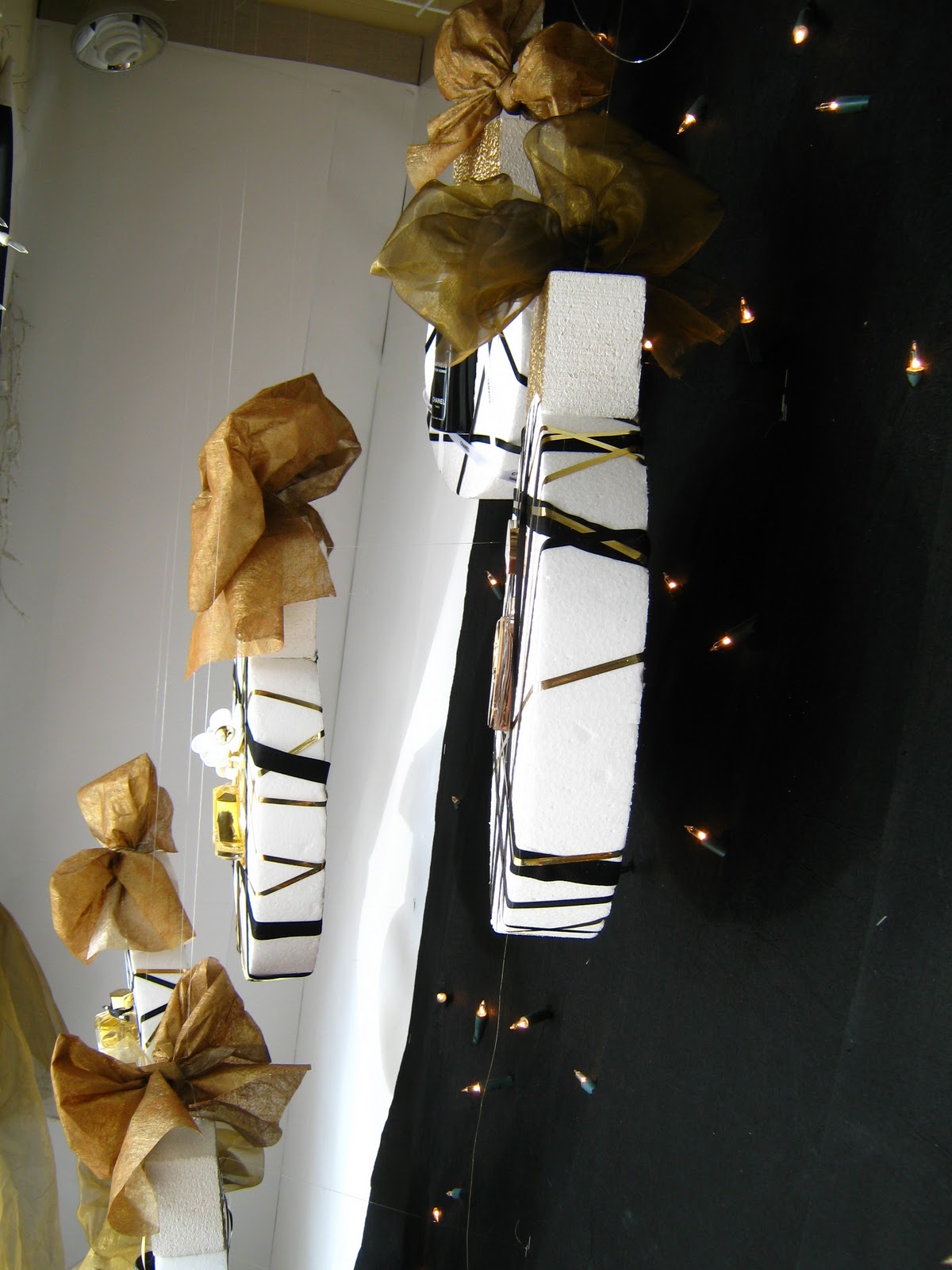
4.05.2011

visual display

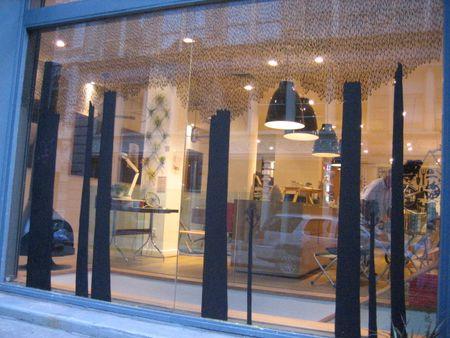
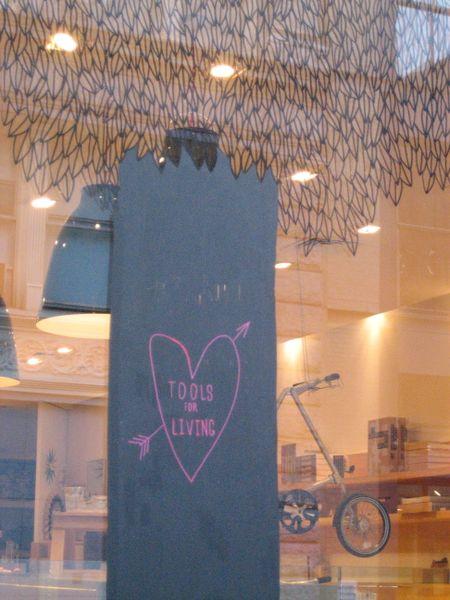
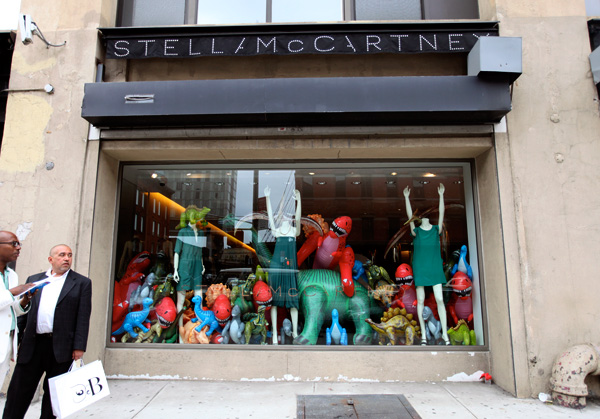
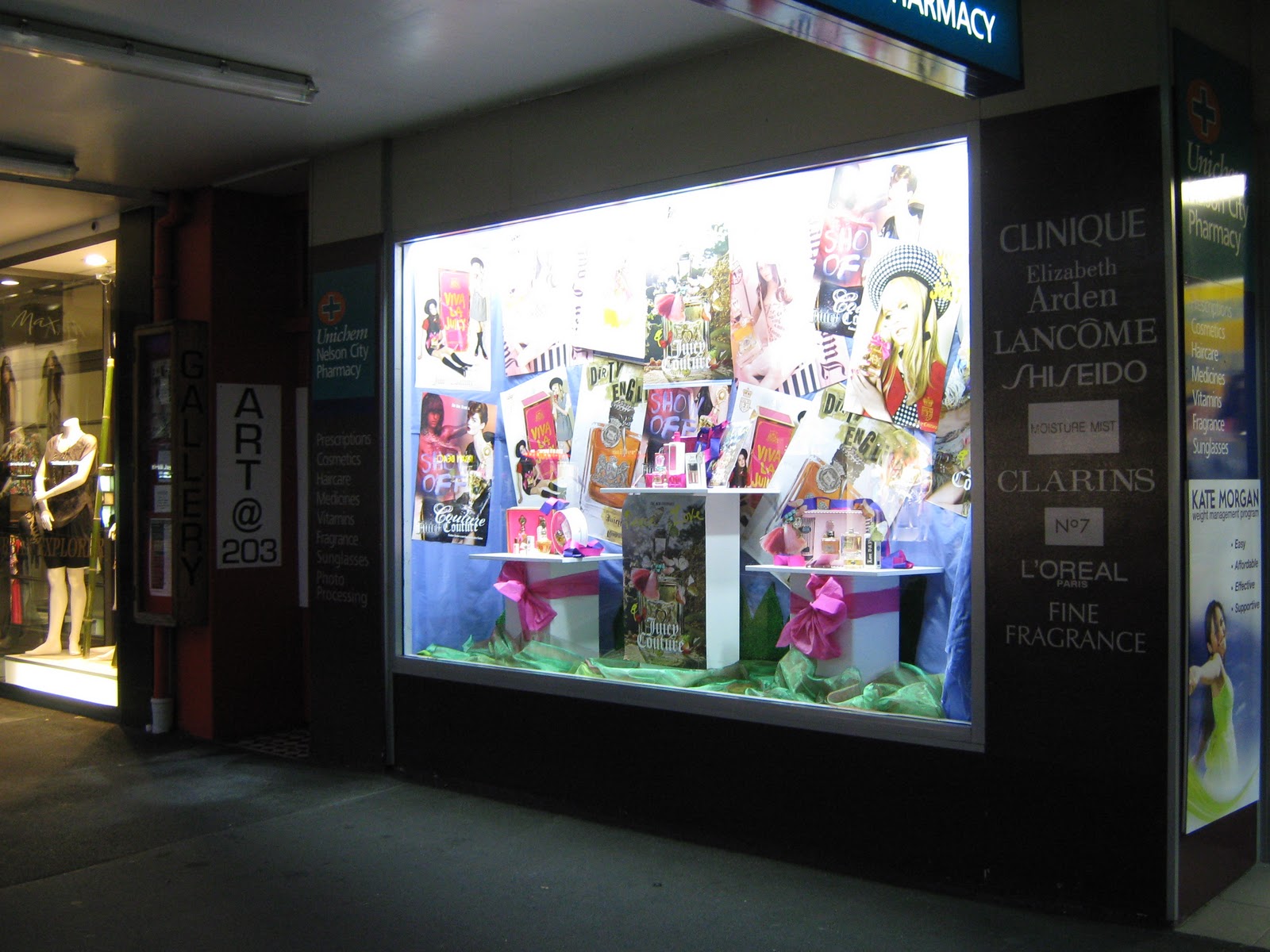
Increasingly window dressing has become a creative outlet for artists and designers. Working in a pharmacy I have limited resources and the windows are on the whole related to what's on offer, however I love working in the window as the public pass by, often knocking on the window, waving and even taking photos. There feels a cross over between art the consumer and the spectacle.  


Excerpt from a litrature review I did in 2010 as part of my Degree

Within Bourriauds book Relation Aesthetics the section ‘Artwork as social interstice’ Bourriaud describes ‘’The possibility of relational art (taking as its theoretical horizon the realm of human interactions and its social context, rather than the assertion of an independent and private symbolic space’ (Internet 1). This seems slightly at odds with the quote 3 in this interview. ‘I have no idea why critics picked up participation’ (P2).
What however is a concern of others and mine is the idea surrounding wether the human interactions are merely ‘conviviality’[1] Bourriaud claims its part of the ‘typology I proposed in Relational Aesthetics not the centre of the book again its not an essay about participation’ (P2).
Despite his denying of importance it is relavent to my work as it puts into question the viewer or participant. Are they just a mere prop? Will there exist any real meaning for them? Also this questions my motivations around the purpose of art, not wanting to be didactic but not simply aesthetic either. It also brings to mind philosopher Jacques Ranciere and the work of Roman Ondak’s (Good feelings in good times).
Ranciere believes ‘every spectator is already an actor in her story; every actor everyman of action, is the spectator of the same story’ (Internet 2). Ondaks work employs actors to queue where there is nothing to queue for, and clapping at non-events with which the unaware public also participate. This questions what is real? In One Day Sculpture contributing author Melanie Gilligan believes this a conversation that is commonplace. ‘From the fields of business management to those of political theory – the argument that today labour, consumption and social behaviour are increasingly framed and treated as performance’ (Gilligan. P50).
So in summing up, the work and research so far has raised some very interesting questions for me to decide upon within my own work. Foremost is a concern that I may be creating work which only acts as an alleviator, window dressing, in place of any real engagement. Ironic as this is part of a job I already do for a store in Nelson.


[1] Conviviality –friendly, lively, enjoyable. Used in Relational aesthetics by Bourriaud with a degree of faith in the potential of ideas surrounding participation.


Images below from http://www.notcot.org/tag/art/


 above images from NOTCOT.COM
http://www.notcot.org/tag/art/

4.04.2011

01. Claire Ellery

I was wondering if they had decided to ditch this but here it is!
My graduate profile from NMIT...

and what else...

Fashion has taken over my life it seems however every spare moment Im desperately trying to create art.  I have the opportunity for a show soon which  in many ways will be more illustrative then what I would prefer but it essential to start somewhere and become motivated in the making...


I find myself intrigued in certain materials for this project  Im into fringes plates paper the object/ornament crystal candlestick holders, flagging tape and fluorescent day glo anything.
And heres the shoot...


Aprils edition

Then came Aprils spread once again I started with a mood board and wanted a sharp sculptural feel to the clothes originally wanting to call the spread best of both worlds. A mixture of feminine touches to a masculine silhouette.

Marches Wedding shoot

Marches edition for the Wild Tomato.
Photographer Daniel Rose
Stylist Claire Ellery
Models Max and Amy
Makeup artist Jasmin Norriss


3.31.2011

Behind the scenes...


Images of behind the scenes Photographer Daniel Rose, Stylist Claire Ellery, Models Max and Amy, Makeup Jasmin Norriss, Hair Gene Kennedy.

Work as a stylist


Creating a mood board for the March addition of the Wild tomato Wedding shoot was important to work from we were using 2 models Max and Amy I was particularly fond of the bow ties in the male pictures

whatcha been up to...

Well I've diverted since school to fashion styling and merchandising so I thought I should put it all up..
It started with a Makeup job for Ramona Millen and her final year of her Bachelor degree, beautiful designs and great photos by Daniel Allen, makeup by Claire Ellery.


.


The pictures below were the first makeup work I did for Wild Tomato magazine http://www.wildtomato.co.nz/


1.10.2011

Sketchbook Project


The title of my project is 'Adhere To Me'. Work created by using sticky tape of those people and things 
I hold dear.

heres a peek at some of the drawings.


11.29.2010

http://www.facebook.com/album.php?aid=263011&id=187090524067
The  Suter Art Gallery Nelson 2010 showcasing the work of NMIT - Nelson Marlborough institute of Technology, see the link above for more pictures.

final work

I’m intrigued by materials linked to the consumer purchase, the residue of disposable components, which are used to transport and protect the objects of our desire.

We live in a society of mass production whose members have an unabated devotion to consumerism, accompanied by brief contentment, security, and a sense of identity, before something newer, and better comes our way.

Within my work I explore the possibility of using the discarded object as it may have dreamt of being.

 Using the tactical processes of bricolage[1] and braconnage,[2] I also consider the role of art, the everyday and the institution of the museum, employing humour, parody, and the absurd.


[1] The French word bricolage translates in English to Do-It-Yourself. within the visual arts bricolage is used to refer to the construction or creation of a work by the fitting together of parts and pieces in a contingent manner. The bricoleur uses a diverse range of everyday objects that happen to be available and may also refer to a work created by such a process. The materials of the bricoleur also play an important role in the creation of a work. Items are mostly recycled, found, or pilfered. Materials remain intact and recognizable, and not always related to the specific project, but bring with them their associated history of use. www.english.upenn.edu/~jenglish/Courses/mileaf.html. Retrieved March 15th 2010.
[2] Braconnage, (poaching) is a less simplistic than bricolage and is bound up in memories and successive knowledge fragments. Certeau describes Braconnage as “a kind of everyday magic, a tactical form of making do” Applin, J. (2008). Bric-a Brac; Art Journal. London: CAA Publications.